The Amstel River Area
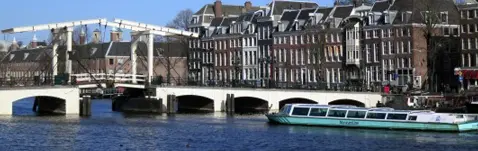
Considered the most iconic natural landmark in the city, the Amstel grants a wonderfully picturesque and soothingly tranquil location outside of the congested urban centre. Measuring almost twenty miles, the Amstel slices through the south east section of the capital, culminating at the Muntplein, a bustling setting that marks the entrance to Amsterdam's inner core.
Historical Significance
The origins of Amsterdam date back to the 13th century, when fishermen residing along the river's banks constructed a bridge near the IJ. Wooden doors on the crossing served as a dam, protecting the village from floods - hence the founding of the city's name. The mouth of the river, currently the animated avenue of Damrak, formed a natural harbour imperative to the city's flourishing trade.
Cultural Landmarks
Notable attractions along the river include:
- Hermitage Amsterdam: Dutch branch of the famous Russian museum
- Royal Carré Theatre: Netherlands' most prestigious theater venue
- Amstel Hotel: Iconic luxury hotel dating from 1867
- Magere Brug ("Skinny Bridge"): Famous illuminated drawbridge
- Stopera: Combined city hall and opera house
- Frankendael Park: Amsterdam's last 17th-century country estate
Modern Highlights
Today the Amstel River hosts:
- Annual Gay Pride canal parade
- Sporting competitions
- Cultural festivals
- Waterfront restaurants and cafes
- Scenic boat tours
- Cycling and walking paths
Key Areas
The Amstel area offers easy access to:
- RAI Exhibition Centre
- Waterlooplein flea market
- Museum District
- City Center
- Amstel Station transportation hub
- Historic Canal Belt
This combination of historical significance, cultural attractions, and natural beauty makes the Amstel area an ideal base for experiencing authentic Amsterdam while enjoying a peaceful riverside setting.